

How User Intent Matters More Than Keywords
Ever notice how your Google search results change, even when you search the same thing twice? That’s not a glitch. It’s intentional.
Search Engine Results Pages, often called SERPs, are designed to adapt in real time. Instead of showing the same static list of links to everyone, Google adjusts results based on context like location, device, timing, and what it believes the searcher is trying to do.
It requires building a digital search strategy.
Modern SERPs work less like directories and more like decision engines, helping users move from searching to choosing faster. Search success is now driven by relevance and usefulness, not just position.
In this article, we’ll break down how modern SERPs work, why they look different from search to search, and what that means for businesses navigating an increasingly personalized search landscape.
What Is a SERP (and Why It’s Not Just Links Anymore)
A SERP is the page you see after typing a query into a search engine.
Years ago, it was straightforward. You searched, and Google returned a list of ten blue links. Today, SERPs are interactive, personalized, and built to answer questions as quickly as possible.
Depending on the search, a SERP may include:
- Paid search ads
- AI Overviews or instant answers
- Local map packs
- Organic listings
- “People Also Ask” questions
- Video, image, or product results
Google decides which of these elements appear based on search intent.
In other words, it looks at what it believes the user is trying to accomplish, not just the words they typed.
Why the Same Search Can Show Different Results
Even closely related searches can produce completely different results pages.
For example, when someone searches “gym near me,” Google often prioritizes Google Business Profiles instead of traditional organic listings. That’s because the search signals strong local and action-driven intent. Google assumes the user is ready to choose a nearby option quickly.
This can be frustrating for business owners, especially when their website suddenly seems harder to find. It often raises concerns about rankings, traffic, or whether something is wrong with the site.
In most cases, nothing is wrong.
What’s happening is a shift in how Google prioritizes speed and convenience for searches where users are ready to act. The layout changes -- not your credibility or authority.
When Google Business Profiles Show Up First
And this is where Google Business Profiles start to take center stage. The format shifts from exploration to decision making, highlighting the tools people use when they’re ready to take action. It’s less about browsing and more about taking the next step.
For example, when someone is ready to choose a nearby business and searches “gyms near me,” Google prioritizes maps, reviews, calls, and directions instead of website links.
These are action-driven search results, and the SERP layout reflects intent, not a drop in rankings.
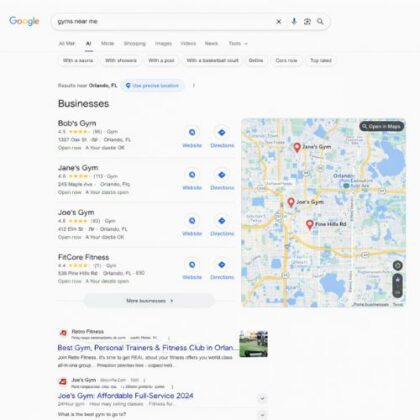
Figure 1 – Action Driven Search Results
When someone searches for a specific business, such as Bob’s Gym, Google
often prioritizes the Business Profile to make it easier to call, get directions, or check hours.
The key takeaway is this: Google isn’t removing opportunities for visibility. It’s reshaping where and how that visibility happens.
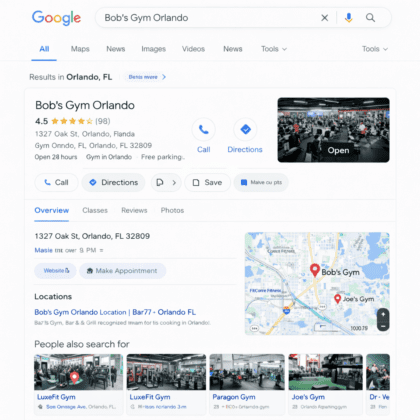
Figure 2 – Branded Search Results
How Search Intent Shapes Every SERP
Keywords still play a role in search, but user intent ultimately shapes the type of results Google displays.
In general, most searches fall into three categories: learning, comparison, and action.
Learning-Focused Search Results
When users are researching or trying to understand a topic, like “what should I look for in a gym,” Google highlights guides, videos, and quick answers rather than local businesses.
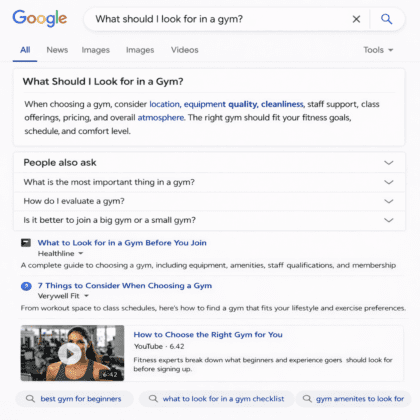
Figure 4 – Learning-Focused Search Results
Comparison Search Results
When users are weighing options, Google emphasizes reviews, ratings, ads, and clear next steps.
For example, if a prospect searches “best gyms near me,” this SERP may appear:
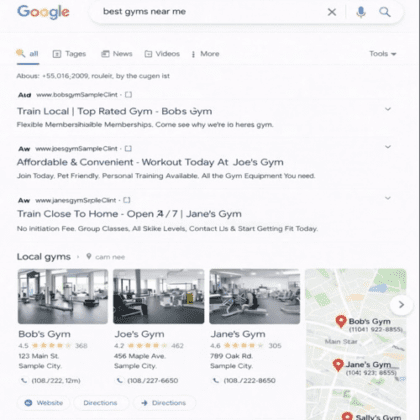
Figure 5 – Comparison Search Results
Action-Focused Search Results
When users are ready to make a decision, such as searching “join a gym near me,” Google often highlights offers, membership details, promotions, reviews, and strong calls to action that make it easy to sign up.
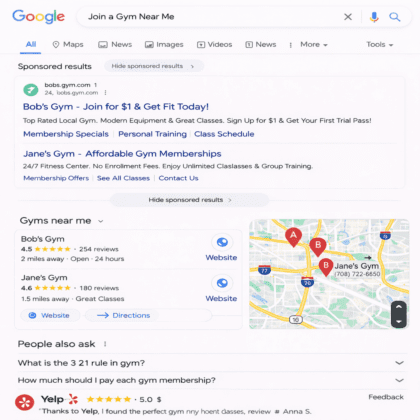
Figure 6 – Action-Focused Search Results
Meeting Searchers Where They Are
Understanding intent turns search from a guessing game into a strategy.
When brands focus on clearly answering real questions and supporting real decisions, their content is more likely to align with the SERPs Google is building.
Search no longer happens in just one place. Many users, especially younger audiences, go directly to platforms like TikTok, Instagram, and YouTube to discover, learn, and compare.
Brands that perform well don’t rely on a single platform. They make sure they’re visible wherever people are already searching.
Personalization Across Markets and Platforms
As brands grow into new markets, personalization gets more layered.
People expect content that feels relevant to where they are and how they search, including:
- Local language and cultural nuance
- Regional preferences
- Market-specific regulations and privacy standards
Even when messaging shifts slightly by location or platform, the core brand story should stay steady. Brands that stay aligned across SERPs, AI platforms, websites, and social channels build recognition and trust instead of a scattered presence.
How to Stay Visible When SERPs Keep Changing
Understanding how SERPs work is only part of the picture. There isn’t a single tactic or keyword that guarantees visibility.
Because SERPs shift based on the user and the moment, long-term success depends on staying aligned and consistent across every search experience your audience encounters.
Start With Intent, Not Keywords
Instead of asking, “What keyword should we rank for?” ask, “What is the searcher trying to do?”
Understanding whether someone is learning, comparing, or ready to act helps ensure your content fits the type of SERP Google is building.
For a gym owner, ranking for “gym near me” is only one piece of the puzzle.
Someone searching “how to start strength training” is in learning mode. Google surfaces guides and videos because the user isn’t ready to choose a gym yet. Beginner-friendly content helps your brand show up early in the decision process.
When someone searches “strength training near me,” the intent shifts to action. Google prioritizes local listings. Accurate location details, clear service descriptions, strong reviews, and up-to-date hours matter most at that moment.
Strengthen Your Signals Across Platforms
Google pulls from many cues when deciding what to show, including:
- Website content
- Local listings
- Reviews and ratings
- Social presence
Keeping details like location, services, and messaging consistent makes it easier for search engines to match your business with the right intent.
Prioritize Usefulness Over Position
Modern SERPs reward clarity, relevance, and helpfulness.
Businesses that focus on supporting users rather than chasing rankings are better positioned to adapt as search continues to evolve.
In a landscape shaped by personalization and intent, the goal isn’t to control the SERP. It’s to align with it.
Final Thoughts: Making SERPs Work for You
Understanding how SERPs adapt to user intent is essential for standing out online.
When your strategy aligns with how search works and your brand shows up consistently across search, AI, and onsite experiences, you’re better positioned to connect with the right audience at the right time.
The brands that win aren’t chasing rankings. They focus on intent first, support it with clear, useful content, and build trust through strong reviews and reputation signals.
If you’re done guessing and ready to lead with strategy, TAG Digital Marketing (TAG) is built for that.
Since 1999, we’ve been helping brands adapt, compete, and grow in changing search landscapes. We position brands where search is actually happening today, turning visibility into measurable momentum and long-term growth.
